Why is my Pearl City garden attracting bees and wasps?
Learn why your Pearl City garden attracts bees and wasps and how to manage these pests effectively.
Bees and wasps are drawn to gardens in Pearl City for several reasons, primarily due to the availability of food sources and suitable nesting sites. Understanding these factors can help you manage their presence effectively.
Attracting bees and wasps in Pearl City gardens can be a common issue, especially during warmer months when these insects are most active. This article will explore the reasons behind this attraction, common plants that lure them, and effective strategies for prevention.
What attracts bees and wasps to my Pearl City garden?
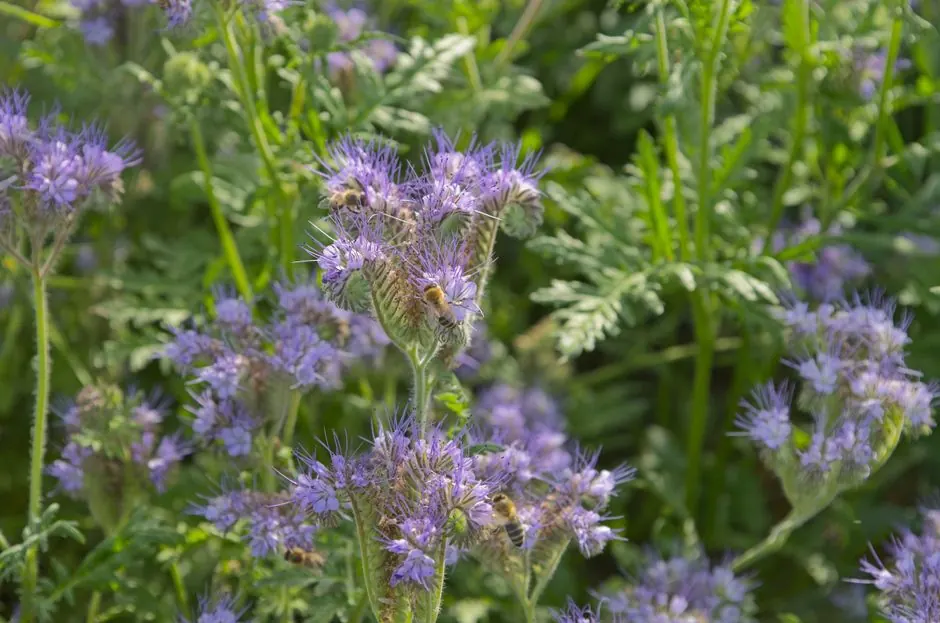
Bees and wasps are attracted to gardens in Pearl City primarily for nectar and pollen. They are essential pollinators, and many flowering plants provide the resources they need. Additionally, wasps often seek out protein sources, such as other insects or sugary substances, which can also be found in gardens.
Common plants that attract bees and wasps in Pearl City
Certain plants are particularly appealing to bees and wasps. In Pearl City, these include:
- Hibiscus: Known for their vibrant flowers, hibiscus plants attract various bee species.
- Sunflowers: Their large blooms are a favorite for both bees and wasps.
- Lavender: The fragrant flowers are not only pleasant for humans but also irresistible to pollinators.
- Fruit trees: Trees like mango and guava produce flowers that draw in many insects.
By understanding which plants draw these insects, you can make more informed choices about your garden's layout.
How to keep bees and wasps away from my Pearl City garden
To reduce the chances of attracting bees and wasps, consider the following strategies:
- Limit flowering plants: While they are essential for pollination, reducing the number of flowering plants can help.
- Remove food sources: Keep outdoor eating areas clean to avoid attracting wasps looking for sugary foods.
- Seal trash cans: Ensure that trash bins are tightly sealed to prevent attracting wasps.
- Use decoys: Hanging fake wasp nests can deter new wasps from settling in your garden.
Implementing these strategies can help minimize the presence of bees and wasps in your outdoor space.
Wasp control tips for Pearl City gardens
Managing wasps effectively requires a proactive approach. Here are some wasp control tips for Pearl City gardens:
- Regular inspections: Check your garden regularly for signs of wasp nests.
- Professional removal: If you find a nest, consider contacting a professional for safe removal.
- Natural repellents: Certain essential oils, such as peppermint, can deter wasps when sprayed around the garden.
Adopting these control measures can significantly reduce the risk of wasp infestations.
Common mistakes when managing bees and wasps
Many people make mistakes that can exacerbate bee and wasp problems. Here are some common pitfalls:
- Ignoring nests: Failing to remove or address nests can lead to larger infestations.
- Using toxic pesticides: Chemical treatments can harm beneficial pollinators and disrupt your garden's ecosystem.
- Not researching plants: Planting attractive flowers without considering their impact on local bee and wasp populations.
Being aware of these mistakes can help you manage your garden more effectively.
When to call a professional
If you notice a significant increase in bee or wasp activity or discover a nest, it may be time to call a professional. Pearl City Pest Pros offers expert Bee and Wasp Removal Pearl City HI services to handle these situations safely and effectively.
Frequently Asked Questions
What attracts bees to my garden in Pearl City? Bees are attracted to your garden primarily due to the availability of nectar and pollen from flowering plants.
How do I prevent wasps in my Pearl City garden? Prevent wasps by keeping food sources covered, sealing trash cans, and considering the use of decoys to deter them.
What should I do if I see bees and wasps in my garden? If you see bees, observe from a distance as they are generally harmless. For wasps, especially if they are nesting, consider contacting a professional.